“Dumplings with vinegar make you richer” — a simple saying that reveals just how deeply vinegar is loved in China. Whether for dipping, cold dishes, pickling, or daily wellness, vinegar is an essential element on Chinese dining tables. Yet few people realize that behind this seemingly ordinary condiment lies a crucial indicator of quality: total acidity.
Weichuang’s newly launched 20-degree high-acidity fermented vinegar is now redefining public expectations of premium vinegar with quality that far exceeds industry norms.
Total Acidity: The Hidden Key to Vinegar Quality
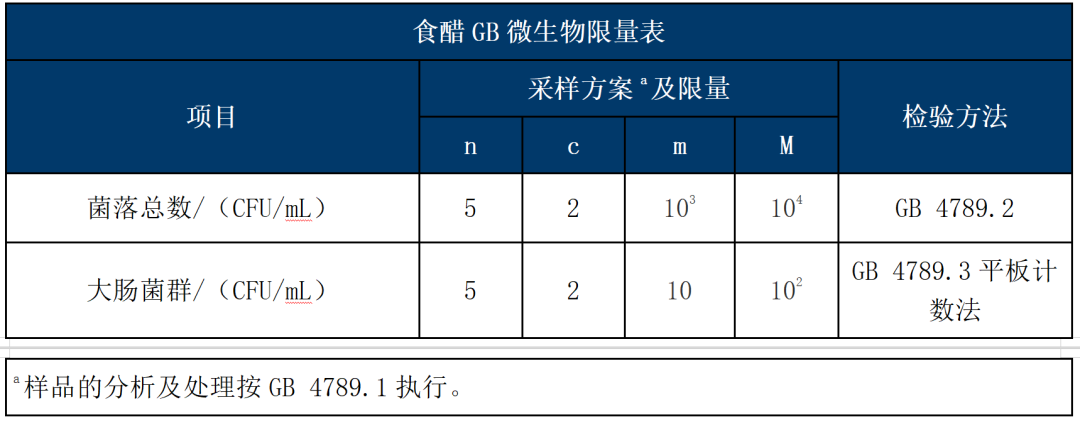
A review by Consumer Reports summarizing vinegar quality inspections conducted from June 2018 to March 2023 revealed 676 batches of substandard vinegar nationwide, with insufficient total acidity being the most frequent issue. This highlights what consumers care about most:
Total acidity is a core metric for vinegar quality — affecting taste, richness, and shelf stability.
So, what exactly is total acidity?
Simply put, it represents the total amount of acids in vinegar that can release hydrogen ions, typically expressed as acetic acid. The higher the value, the more complete the fermentation — resulting in a fuller, smoother, more lingering taste.
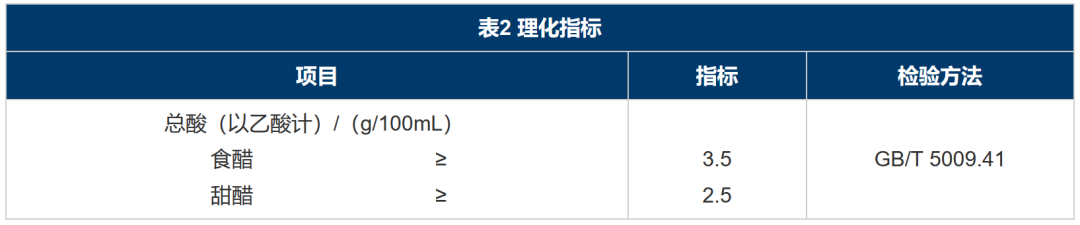
According to GB 2719-2018 (Food Safety Standard for Vinegar), the total acidity of vinegar must not be lower than 3.5 g/100mL. Solid-state fermented vinegar under GB/T 18187-2000 must also meet this same minimum.
Most commercially available fermented vinegars have a total acidity of 4–6 g/100mL, while some celebrated varieties reach 6–9 g/100mL.
By contrast, Weichuang’s 20-degree high-acidity fermented vinegar delivers nearly six times the national minimum—far exceeding common levels in the market. The same is true for its microbial profile: every drop is fermented by acetic acid bacteria.
Not Blended — 100% Naturally Fermented
Producing such a high acidity is not something that can be achieved through simple blending. Industry professionals know that once acidity exceeds 6 g/100mL, blended vinegar becomes harsh, sharp, and easily recognizable.
However, Weichuang Bio’s 20-degree vinegar is produced entirely through natural fermentation, using:
Non-GMO corn and rice as raw materials
Liquid deep fermentation with a two-stage process
Precise control of temperature, microbial ratios, and fermentation duration
During this long fermentation:
Starch and sugars are fully converted into organic acids
Large amounts of acetic acid accumulate
Flavorful acids such as lactic acid and succinic acid develop
High levels of beneficial acetic acid bacteria are retained
Even with its high acidity, the flavor remains round, mellow, and pleasantly lingering, with clear layers of complexity.

High-Acid Vinegar: Powerful Natural Advantages
1. Natural preservation — no need for added preservatives
High total acidity effectively inhibits microbial growth, extending shelf life naturally. This aligns perfectly with today’s “clean label” trends.
2. Superior flavor performance
The diverse organic acid profile enhances the intrinsic taste of ingredients.
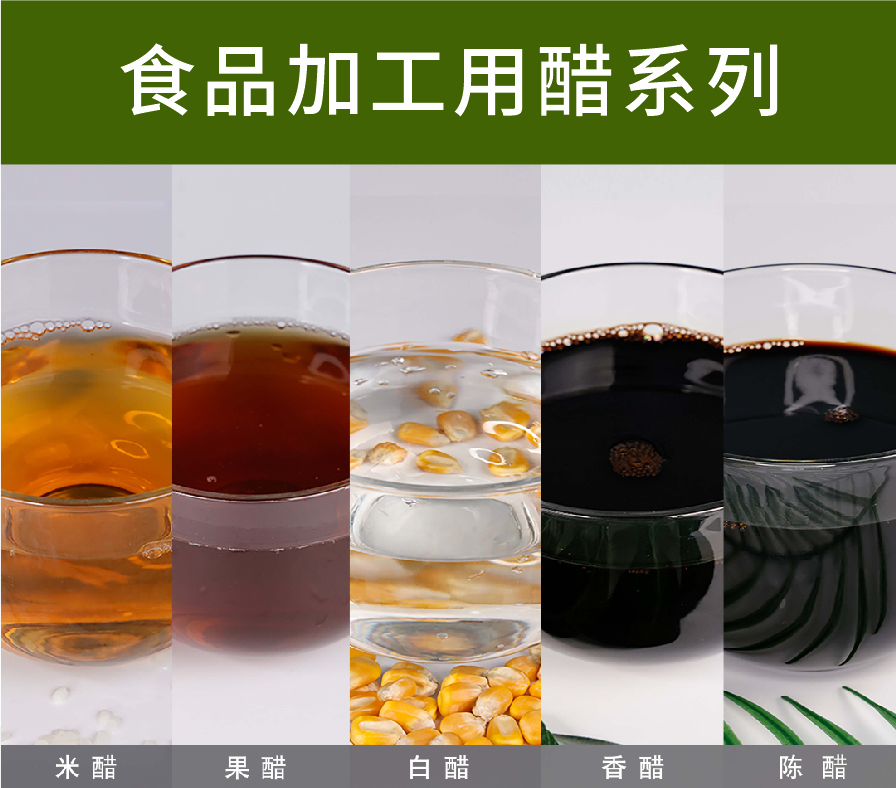
When diluted, the 20-degree vinegar is ideal for:
Dumpling dipping
Neutralizing richness in seafood
Pickling garlic, ginger, and vegetables
It makes every flavor more vibrant.
3. High economic value
With acidity 5.7 times the 3.5 g/100mL requirement for fermented vinegar (GB/T 18187-2000), manufacturers can adjust concentrations freely to meet any formula requirement — resulting in significant cost efficiency.
A New Standard for the Industry
With GB 2719-2018 officially removing the category of “blended vinegar” and endorsing only fermented vinegar, the launch of Weichuang Bio’s 20-degree high-acidity fermented vinegar represents:
A commitment to genuine fermentation
A push toward higher industry standards
A clear demonstration that true high acidity comes from time, craftsmanship, and science—not blending
For consumers, premium fermented vinegar is not only a superior seasoning—
it is a reflection of quality living.
Free
sample
