The baking industry is rapidly embracing clean labels, and buffered vinegar powder has emerged as a mature alternative to sodium dehydroacetate. This article covers its practical use across breads, cakes, and other baked goods.

1. Bread / Toast – Mold Prevention Without Compromising Structure
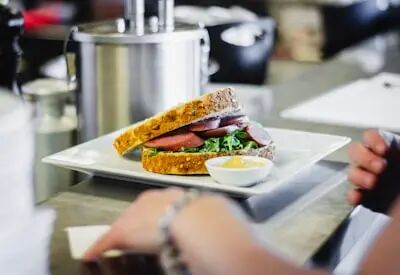
Bread and toast are the primary applications for buffered vinegar powder in baking.
Dosage (based on flour weight): 0.15% – 0.5%.
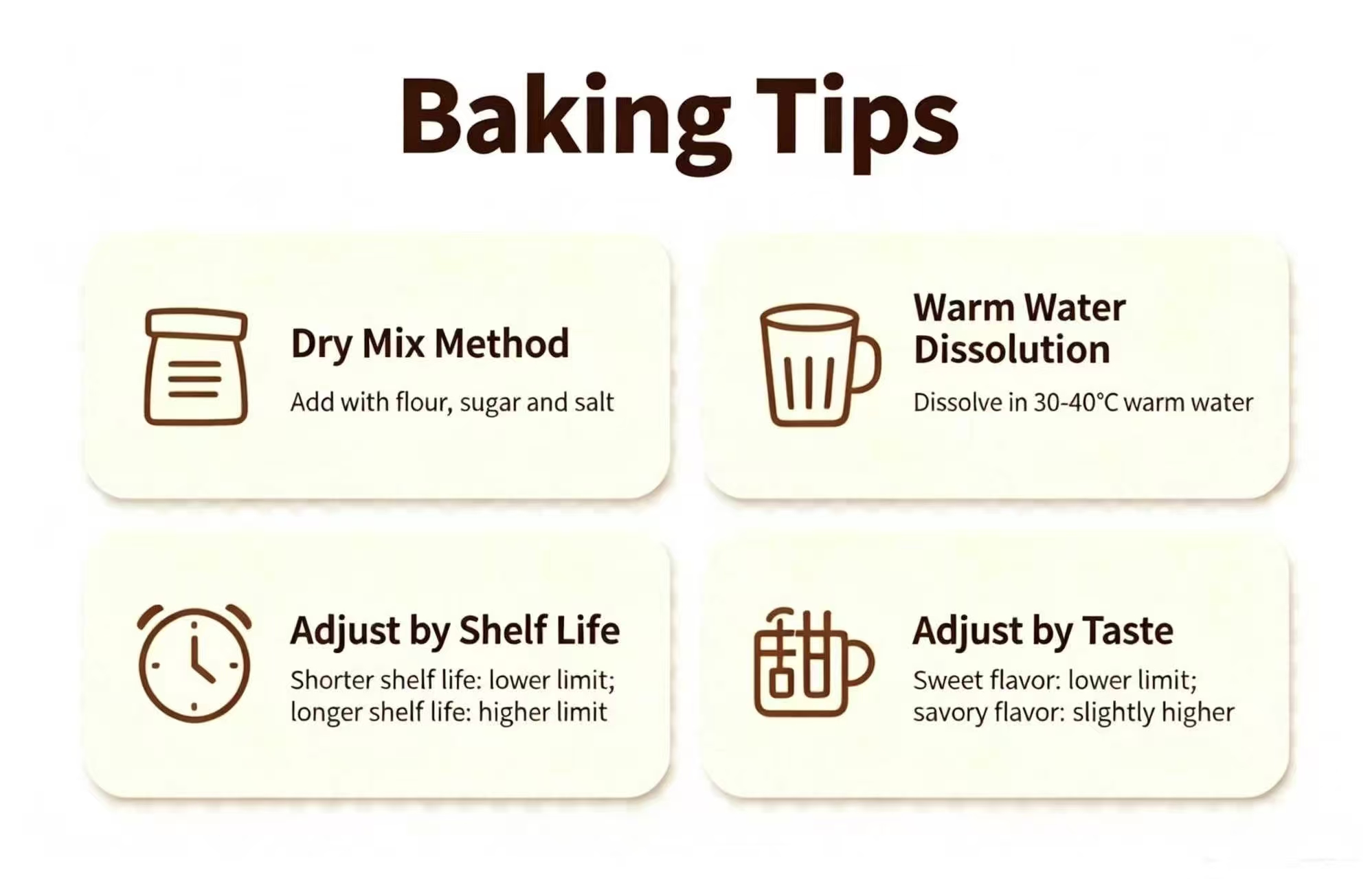
Use the lower end for short‑shelf‑life products (3–7 days) and the higher end for long‑shelf‑life retail items. Whole‑grain and multigrain breads can tolerate slightly more, which also helps mask the bitterness of bran and creates a milder mouthfeel.
Incorporation: Dry‑mix with flour, sugar, salt, yeast, and other dry ingredients during dough preparation for even distribution.
——————————————————————————————————————————————————————————————————————————————————————————
2. Frozen Dough / Par‑baked Bread – Solving Thaw‑Induced Mold
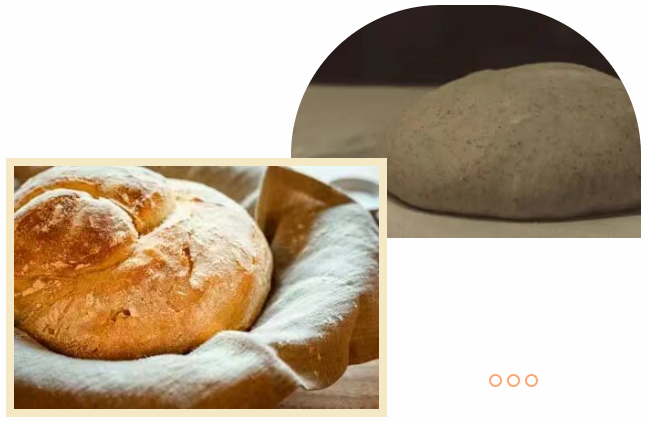
This is the fastest‑growing application. Frozen dough and par‑baked products are particularly prone to mold and souring during repeated thawing and ambient holding in retail settings. Buffered vinegar powder not only inhibits mold but also protects gluten, reduces freeze‑thaw damage, and does not affect proofing or baking performance. Many chain bakeries have already adopted this solution for their frozen dough lines.
Dosage: Follow bread guidelines, adjusting based on actual cold‑chain conditions.
Incorporation: Same dry‑mixing method.
——————————————————————————————————————————————————————————————————————————————————————————
3. Cakes / Cream Pastries – Keep Dosage Low
Cakes and cream pastries are highly sensitive to acidity, so use fermented vinegar powder with restraint.
Dosage: 0.2% – 0.5% – never exceed this range. Even at low levels, it effectively inhibits mold and yeast, extending refrigerated shelf life by several days.
Incorporation: Dissolve in 30–40°C warm water, then add with the egg mixture. Avoid prolonged high‑speed mixing, which can release acidity.
Important: For sweet cakes, cream cakes, and cheesecakes, do not increase the dosage for stronger mold prevention – the acidity will overpower the milky sweetness, defeating the purpose.

——————————————————————————————————————————————————————————————————————————————————————————
4. Pastries / Cookies / Puff Pastry – Preventing Rancidity
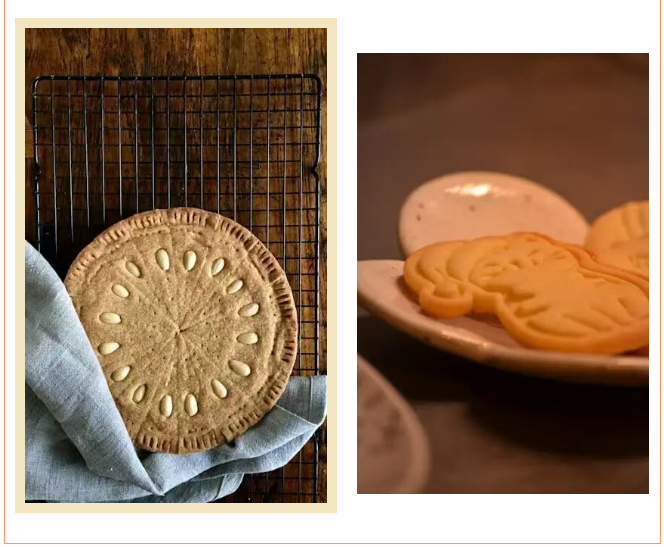
High‑fat items like shortbread, cookies, and puff pastry are prone to oxidative rancidity and yellowing over time. Fermented vinegar powder provides both mold inhibition and antioxidant effects, effectively extending shelf life.
Dosage: Similar to bread, adjust as needed.
Incorporation: Dry‑mix with flour and fats.
——————————————————————————————————————————————————————————————————————————————————————————
5. General Baking Tips
Always prefer dry‑mixing – it ensures the most uniform distribution and stable performance.
Boost efficacy with synergistic blends – combine with tea polyphenols or rosemary extract for enhanced antimicrobial and antioxidant action. This also allows a slightly lower vinegar powder dosage, resulting in a cleaner flavor profile.
——————————————————————————————————————————————————————————————————————————————————————————
Final Word
Clean labels are the future. Buffered vinegar powder is not a magic bullet, but it is one of the most balanced and proven mold‑prevention solutions available for baking today. It’s well worth a try for any baking professional.
Free
sample
