
As consumers increasingly look beyond shelf life and convenience and pay more attention to simpler ingredient lists and naturally sourced foods, clean-label formulation has become an important direction for food manufacturers.
Against this background, cultured sugar offers an alternative approach to traditional functional ingredients. Produced through controlled biological fermentation using corn as the fermentation base, corn fermentate can provide multiple formulation benefits, including microbial control, flavor improvement and off-note reduction.
At Henan Weichuang Bio-tech Co., Ltd., we develop fermented corn-based ingredients designed for food manufacturers looking to simplify formulations while meeting the growing demand for naturally derived and clean-label ingredients.
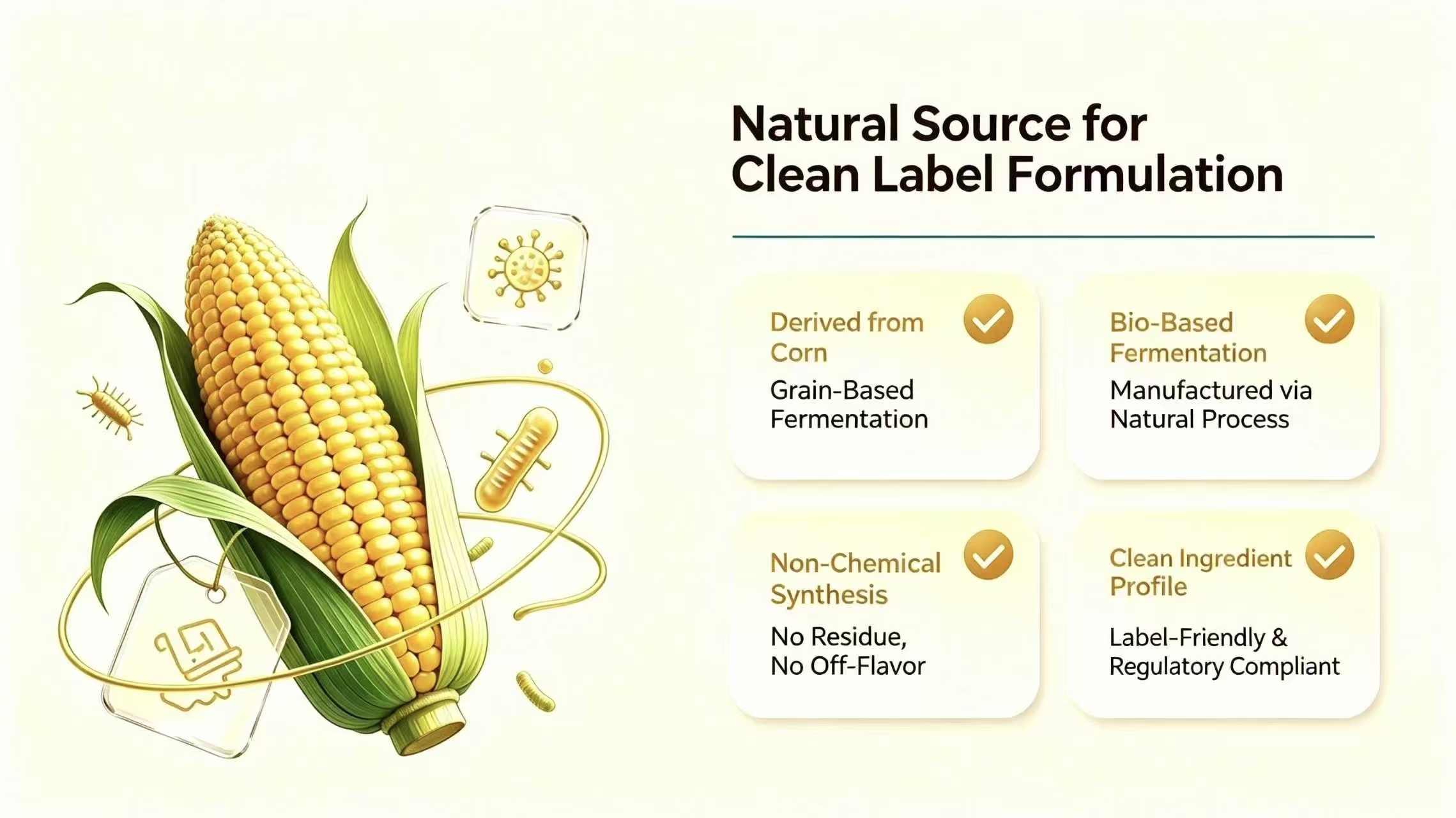
Cultured sugar is produced using a biological fermentation process rather than relying solely on conventional synthetic functional additives.
The fermentation process generates a complex system of naturally occurring fermentation metabolites, including organic acids and other functional compounds. Their combined effects can contribute to microbial control and sensory improvement in food formulations.
For manufacturers developing clean-label products, this provides an opportunity to incorporate a fermented food ingredient into the formulation while exploring alternatives to certain conventional additives.
Key characteristics include:
Corn-based fermentation
Biological fermentation technology
Clean-label formulation potential
Multifunctional application
Suitable for different food-processing conditions
Available for customized application development
The exact ingredient declaration and regulatory positioning should be evaluated according to the product specification and requirements of the target market.
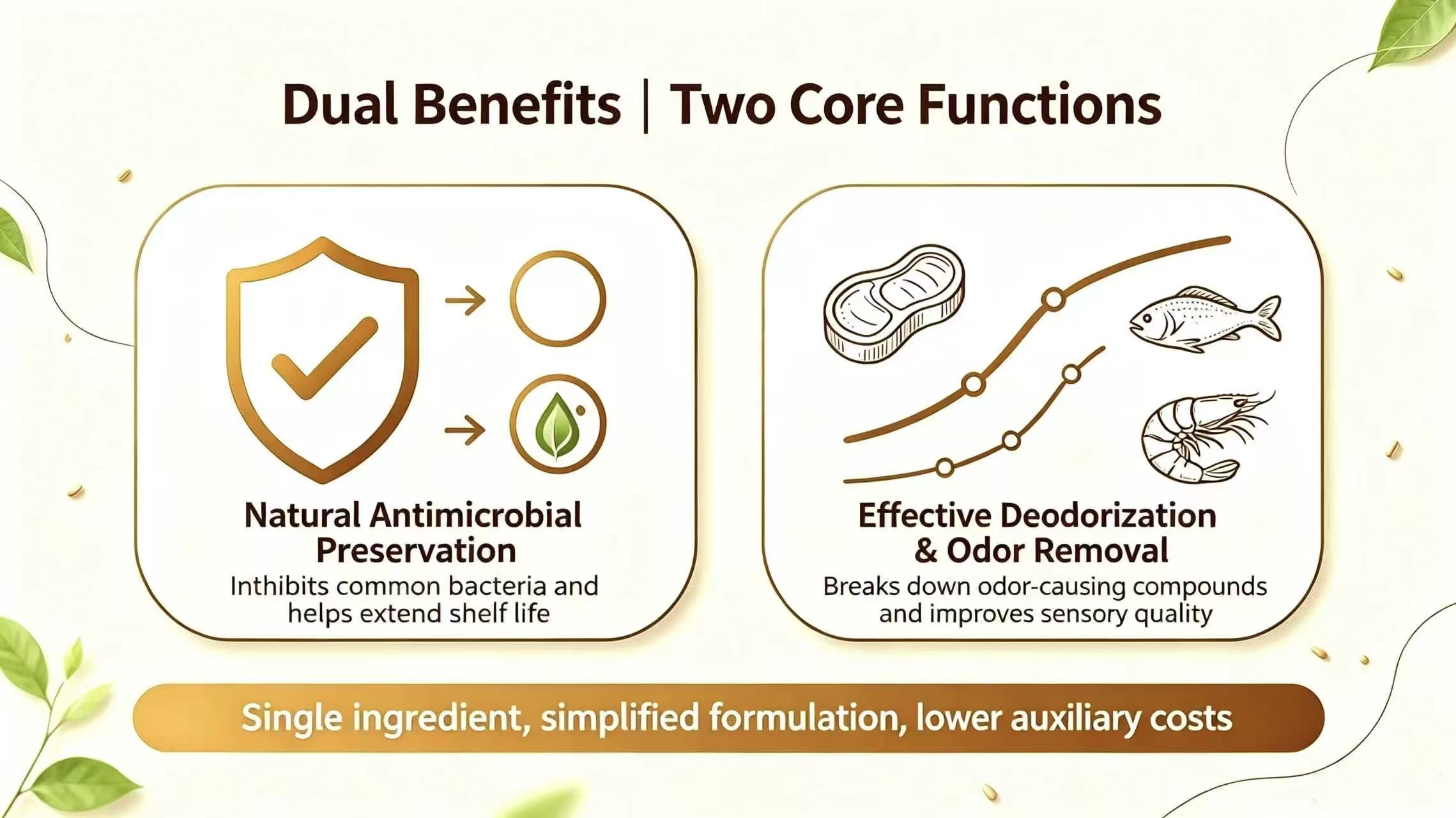
One of the key advantages of cultured sugar is its potential to perform multiple functions within a food formulation.
Rather than using separate ingredients for different formulation challenges, manufacturers can investigate cultured sugar as part of an integrated solution.
Fermentation-derived organic acids and other metabolites can create an environment that is less favorable to the growth of certain microorganisms.
Depending on the food matrix, dosage, pH, water activity and processing conditions, cultured sugar may help control microorganisms such as molds, yeasts and selected bacteria.
This makes it a potential ingredient for formulations where microbial stability and clean-label positioning are important.
However, its performance should always be validated in the specific food system. Cultured sugar should not be regarded as a universal replacement for conventional preservatives or as a standalone food-safety control.
Food manufacturers often face challenges related to unwanted odors and flavors, particularly in meat and seafood products.
Cultured sugar can be evaluated for its ability to help improve the overall sensory profile of products containing:
Meat
Poultry
Seafood
Prepared foods
Pickled vegetables
Seasoning systems
Rather than simply masking undesirable notes with strong flavors, a suitable fermentation-based ingredient may help create a cleaner overall sensory profile while allowing the original food character to remain noticeable.
Fermentation produces a variety of metabolites that can contribute to the overall sensory characteristics of a food system.
When properly formulated, cultured sugar can complement seasoning systems and help manufacturers develop products with a more balanced flavor profile.
The actual sensory effect depends on the food matrix, dosage and processing conditions, so application testing remains an important part of product development.
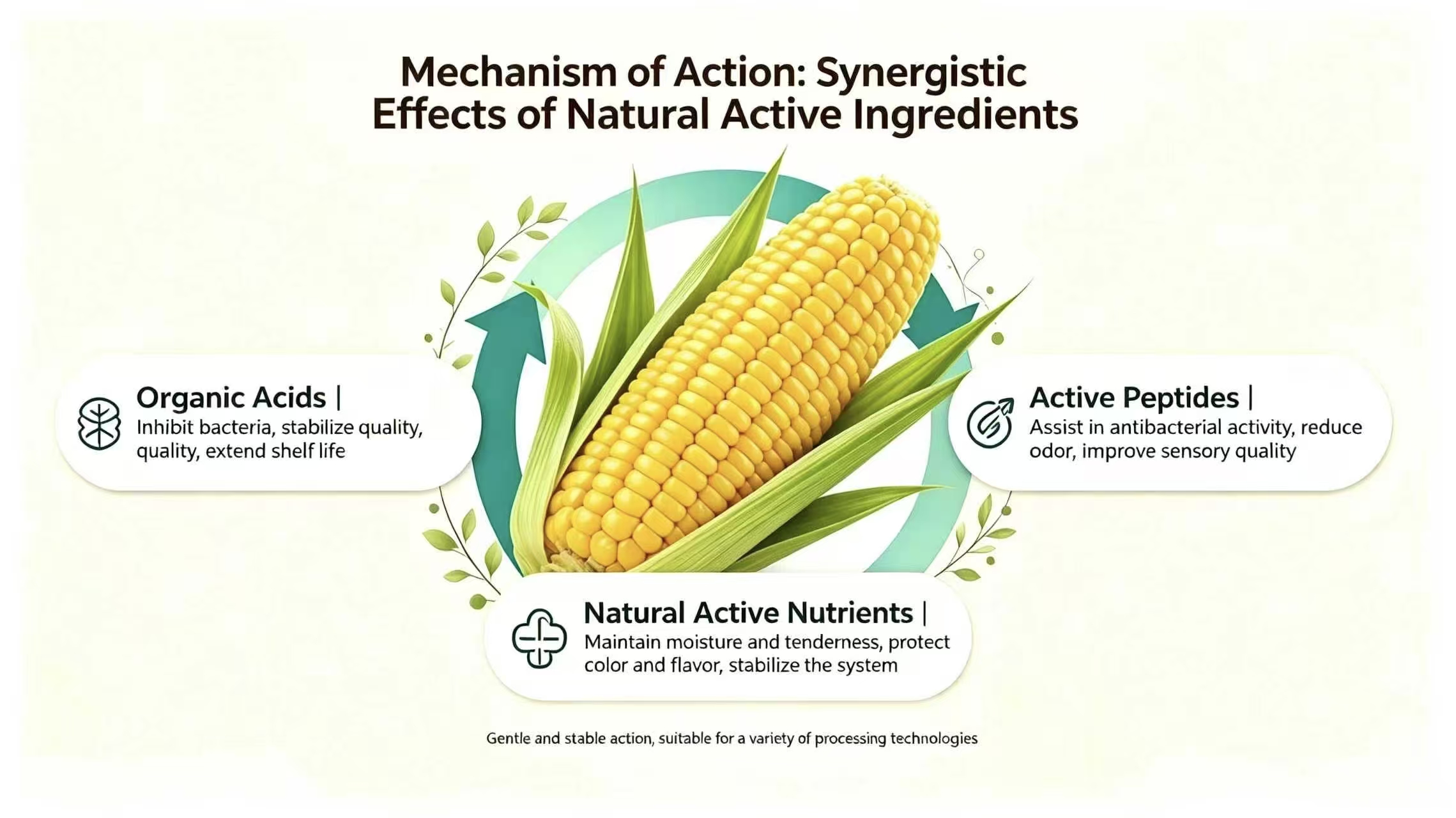
The multifunctional characteristics of cultured sugar are associated with the compounds generated during biological fermentation.
Organic acids can contribute to acidity and microbial control by influencing the pH and microbial environment of the food system.
Biological fermentation generates various metabolites that can contribute to the sensory and functional properties of the ingredient.
Depending on the fermentation process and product specification, cultured sugar may contain additional fermentation-derived components that contribute to its overall functionality.
The final performance is therefore not determined by a single compound, but by the overall fermentation system and the interaction between the ingredient and the food matrix.
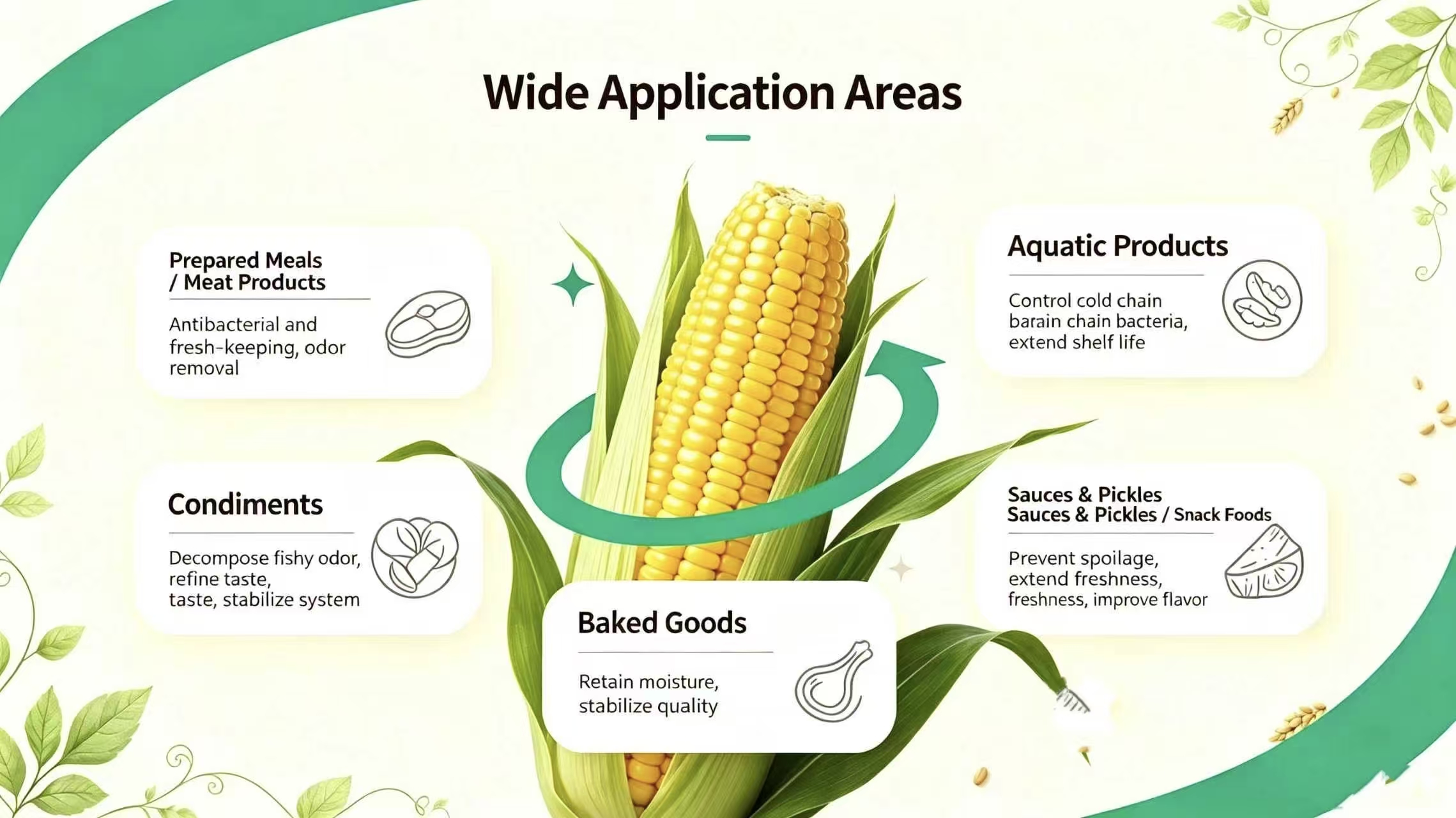
Cultured sugar can be explored across multiple food categories where clean-label formulation, microbial stability and sensory quality are important.
In meat products and prepared foods, cultured sugar can be evaluated for:
Microbial stability
Off-note reduction
Flavor improvement
Clean-label formulation
It can be incorporated into applications such as prepared meat products, poultry products and seasoning systems.
Seafood products can sometimes develop unwanted marine or earthy notes during processing and storage.
Cultured sugar can be evaluated as part of a formulation designed to improve the overall sensory profile while supporting product stability.
Cultured sugar can be incorporated into sauces, seasoning bases, marinades and other savory formulations.
Its fermentation-derived characteristics can complement existing seasoning systems while supporting clean-label product development.
In bakery and flour-based applications, microbial stability is an important consideration.
Depending on the formulation and processing conditions, cultured sugar can be evaluated as part of a clean-label approach to controlling mold and other spoilage microorganisms.
Cultured sugar can also be explored in pickled vegetables, savory snacks and other processed food products where flavor quality and microbial stability are important.
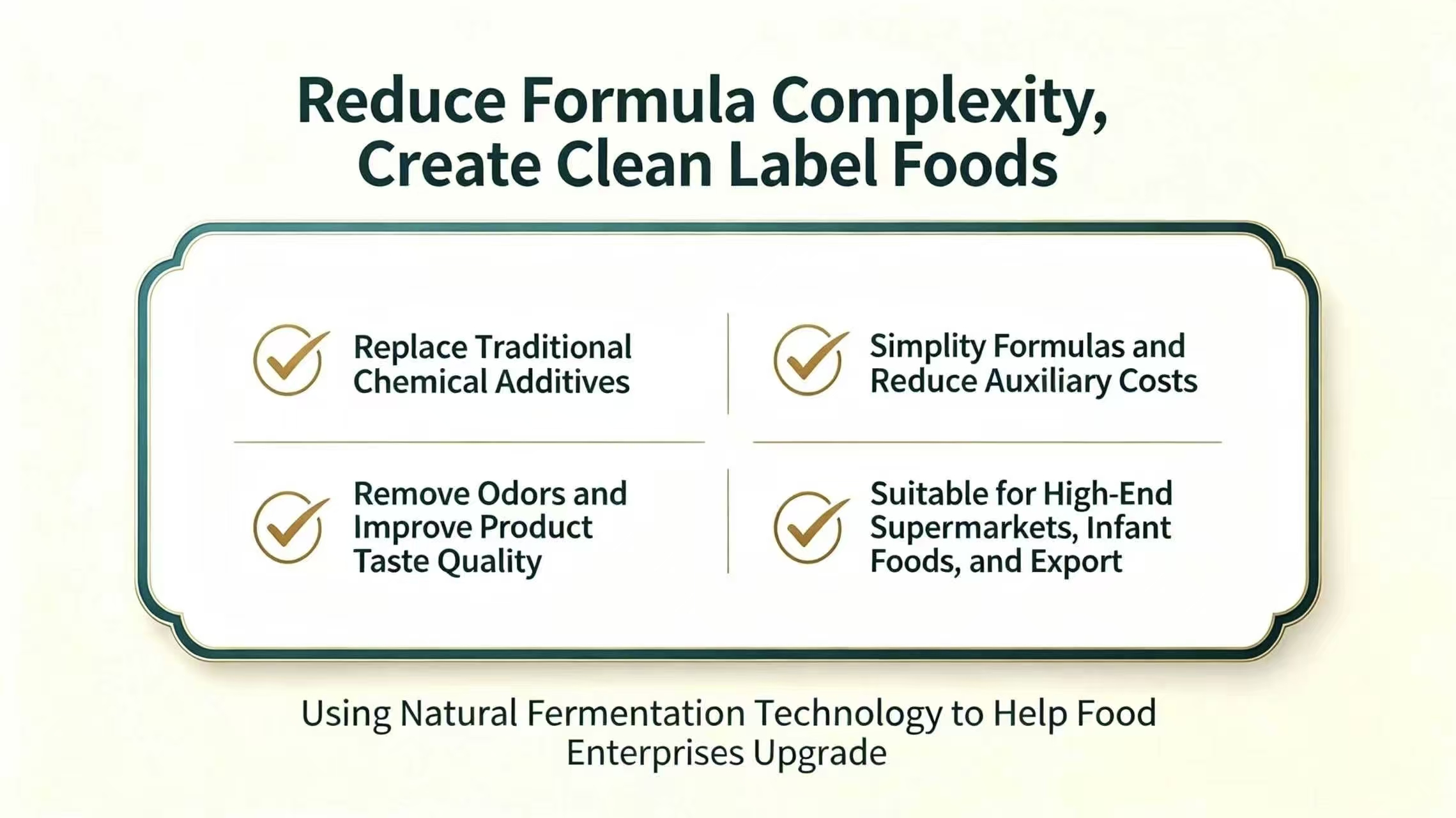
Clean label does not simply mean removing one additive. For food manufacturers, it often involves reconsidering the entire ingredient system.
A multifunctional fermented ingredient can potentially help manufacturers:
Simplify formulations
Reduce the number of separate functional ingredients required in certain formulations.
Explore alternatives to conventional additives
Provide a naturally fermented option for product development and reformulation projects.
Support sensory quality
Address unwanted flavor or odor notes in selected food applications.
Develop clean-label products
Fit into product concepts emphasizing naturally derived and fermented ingredients, subject to local regulatory requirements.
Support product differentiation
Provide manufacturers with another tool for developing premium, natural or clean-label food products.
The performance of a fermented ingredient depends heavily on the fermentation process.
At Weichuang, our cultured sugar is developed through controlled biological fermentation, with attention to key parameters such as:
Raw material quality
Microbial culture
Fermentation conditions
pH control
Temperature
Fermentation time
Drying and processing conditions
By controlling these factors, we aim to maintain consistent product characteristics and provide reliable ingredients for industrial food applications.
For customers with specific formulation requirements, our technical team can also support sample testing, dosage evaluation and application development.
As the food industry continues to explore naturally derived and multifunctional ingredients, fermentation technology provides an important pathway for developing new formulation solutions.
Cultured sugar combines a corn-based raw material with biological fermentation technology to create a versatile ingredient for microbial control, sensory improvement and clean-label product development.
At Henan Weichuang Bio-tech Co., Ltd., we focus on food fermentation technology and application-oriented ingredient development, providing solutions for food manufacturers and ingredient distributors.
Whether you are developing meat products, seafood, sauces, bakery products, prepared foods or seasoning systems, our team can provide product specifications, samples and technical support for application testing.
Contact us to learn more about cultured sugar, application solutions and customized clean-label ingredient development.
Free
sample
