In the food processing industry, the total acidity of buffered vinegar powder is often regarded as a key indicator of product performance. Many manufacturers mistakenly believe that “the higher the total acidity, the stronger the antimicrobial effect.” In reality, a higher total acidity is not always better. Excessive acidity can produce a sharp, overpowering sour taste that disrupts the original flavor profile of the food and ultimately harms product quality.

Total acidity reflects the overall concentration of organic acids in buffered vinegar powder and directly determines sourness intensity. When acidity exceeds an appropriate range, the sourness becomes harsh and intrusive, easily masking the natural flavors of the ingredients. In baked goods, excessive acidity can overshadow desirable notes such as wheat aroma or dairy richness, causing bread and pastries to develop a noticeable sourness that disrupts their sweet, pleasant profile. In meat products, overly acidic vinegar powder can break the balance of savory and rich flavors, creating an undesirable “spoiled” impression. Even for naturally acidic foods such as sauces or pickled vegetables, too much acidity can flatten the flavor, making it one-dimensional and lacking complexity.

Beyond direct flavor impact, excessively high total acidity may also alter a food’s sensory characteristics. Products sensitive to acidity—such as snacks or plant-based foods—may cause taste discomfort for consumers when formulated with highly acidic vinegar powder, reducing product acceptance. Excessive organic acids may also interact with other food components, potentially disrupting the emulsification structure of sauces and leading to separation or clumping, or interfering with dough fermentation in baking, resulting in a coarse texture and reduced elasticity.
Henan Weichuang ensures that its buffered vinegar powders maintain controlled acidity levels. Through technologies such as spray drying and optimized physical structuring, the powders offer excellent compatibility with various food systems without damaging texture. This makes them suitable for a wide range of applications, including baking, meat products, sauces, and more.
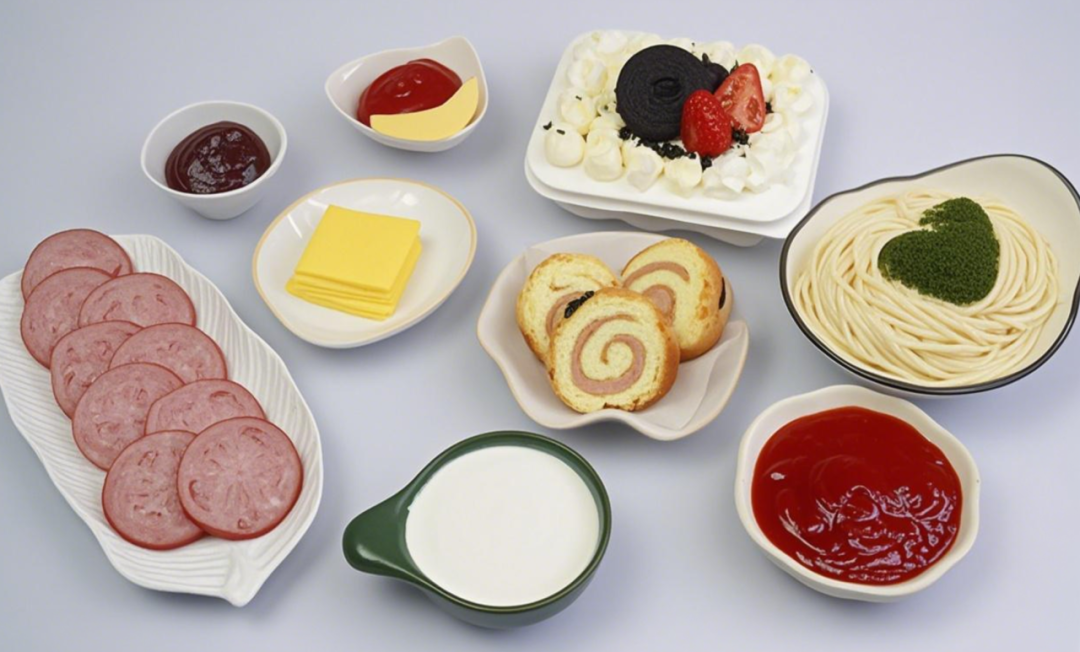
Different food categories require different acidity levels, making precise matching essential. Based on this principle, Henan Weichuang has developed several specialized grades of vinegar powder, including F5, A64, and K1:
F5: Moderate acidity; ideal for snacks and pastries where minimal flavor interference is desired.
A64: Balanced acidity and flavor synergy; suitable for sauces and meat products requiring enhanced sourness and umami.
K1: Designed for low-salt formulations; acidity is adjusted to maintain antimicrobial performance while compensating for flavor loss caused by salt reduction.
This customized approach ensures both effective preservation and optimal flavor integrity.

A high-quality buffered vinegar powder should balance antimicrobial performance and flavor compatibility. Selection should not rely solely on total acidity but should consider the food’s flavor characteristics, processing conditions, and consumer preferences to determine the appropriate acidity range. With the right formulation, organic acids can extend shelf life and enhance safety—without compromising taste—allowing foods to retain their authentic character.
Free
sample
