As a traditional wheat-based food, gluten is highly favored by consumers due to its unique texture and rich protein content. However, preserving gluten has long been a technical challenge in the industry.
Gluten products have high moisture content and a loose, sponge-like structure, making them highly susceptible to microbial contamination. During storage, issues such as stickiness, souring, and surface mold growth commonly occur, resulting in generally short shelf lives. Traditional preservation methods often rely on chemical preservatives. With the growing trend toward clean-label products, the gluten industry is actively exploring more natural preservation technologies.
Buffered vinegar powder offers a promising new approach to improving gluten preservation.
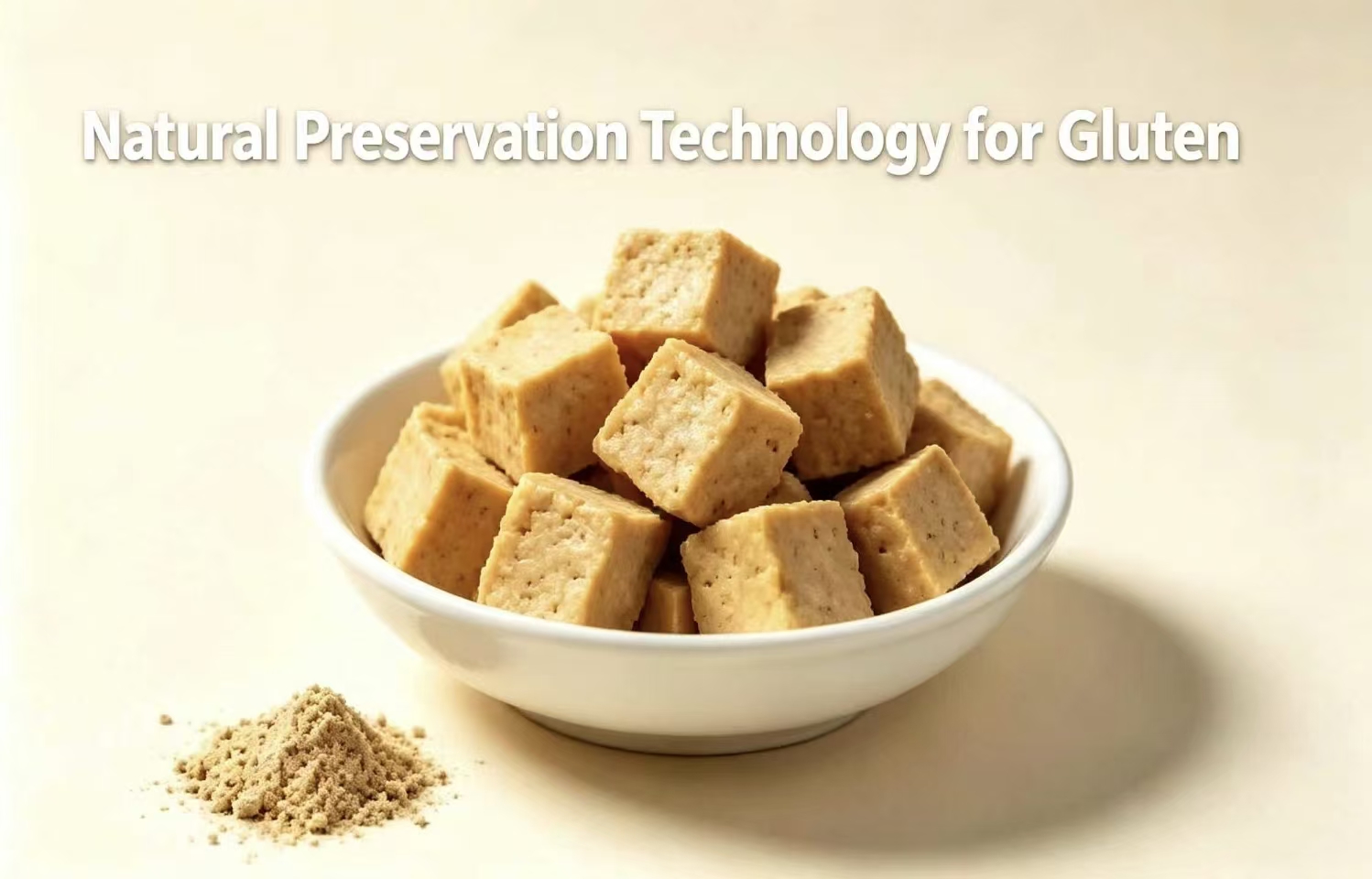
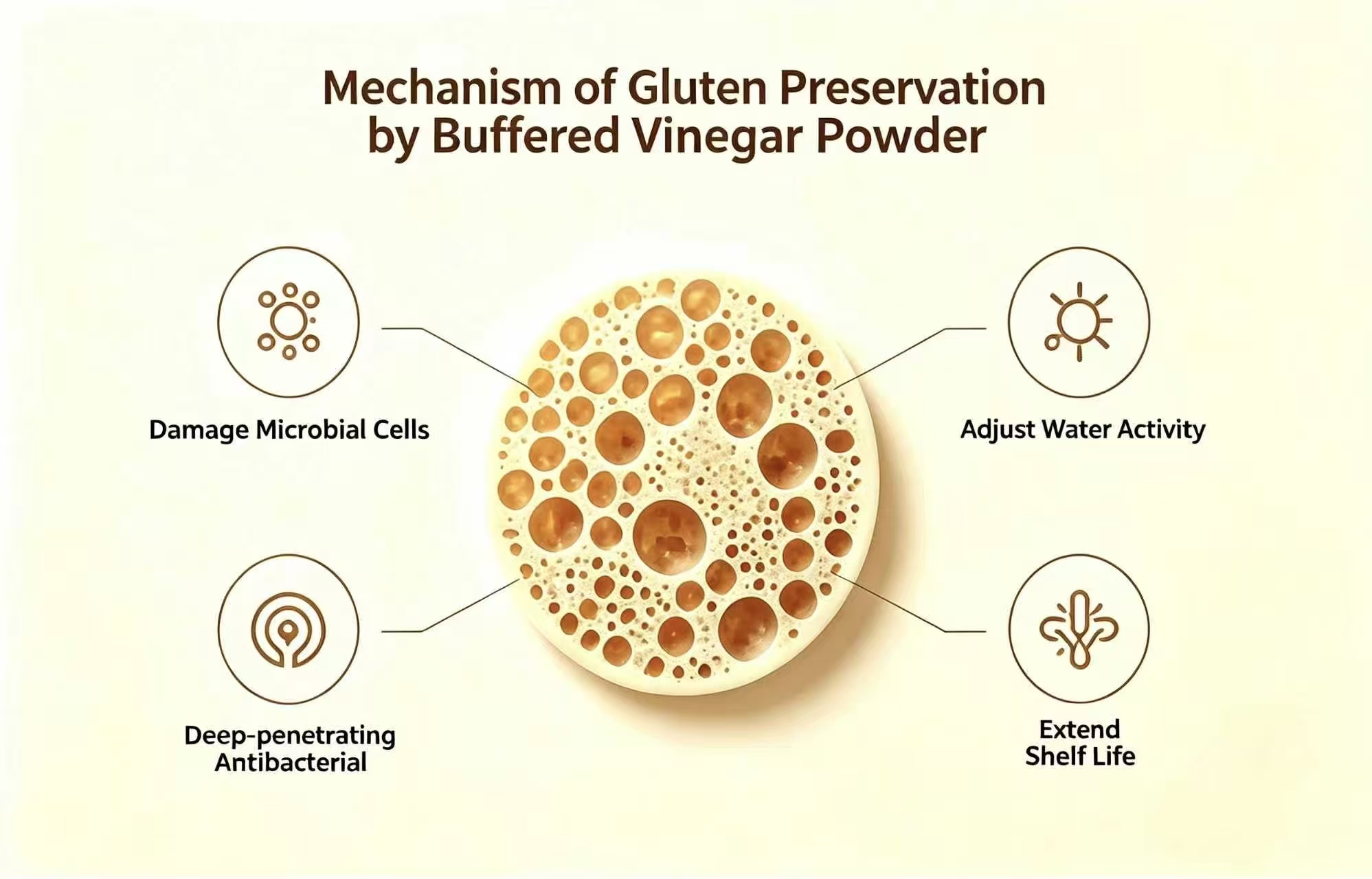
Buffered vinegar powder contains natural low-molecular-weight organic acids that can penetrate microbial cell membranes, disrupt normal metabolic processes, and inhibit continuous bacterial proliferation. Unlike superficial antimicrobial methods, these small molecules can penetrate the porous internal structure of gluten, enabling coordinated inhibition both on the surface and within, effectively controlling microorganisms throughout the product. Additionally, they can subtly adjust the product’s microenvironment, altering conditions favorable for spoilage microbes and delaying the increase in microbial counts.
The main challenge in gluten preservation lies in managing microbial activity across its entire porous structure—single-surface methods are inherently limited.
During product development, formulation and processing parameters can be adjusted synergistically to balance antimicrobial efficacy, flavor profile, and label requirements.
◆ Experimental Objective: Evaluate the preservation effectiveness of buffered vinegar powder in gluten
◆ Experimental Conditions: Stored at 4°C for one week
◆ Experimental Groups:
– Blank group (no preservative added)
– Control group (added control sample)
– Experimental group (added 0.4% buffered vinegar powder)
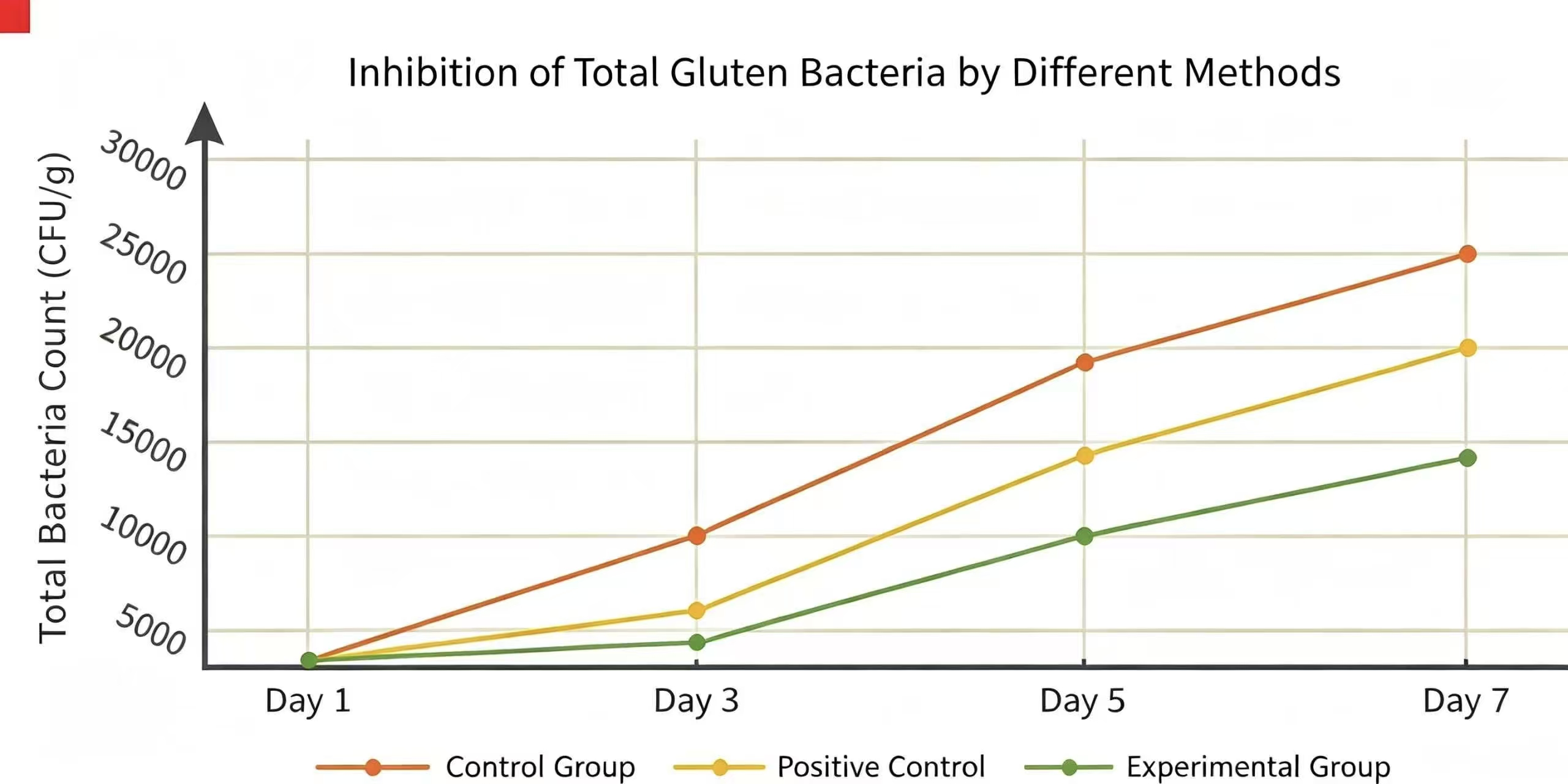
After comparing the three groups, the results were as follows:
Experimental Conclusion
★ The blank gluten samples without buffered vinegar powder showed a total microbial count exceeding 2.5×10⁴ CFU/g after 7 days of storage at 4°C.
★ The experimental group with 0.4% buffered vinegar powder maintained a microbial count of approximately 1.4×10⁴ CFU/g after 7 days at 4°C, extending shelf life compared to the blank group.
Overall, the experimental results demonstrate that buffered vinegar powder at an appropriate concentration provides effective antimicrobial preservation, significantly prolonging the shelf life of gluten-based foods.
Technical Application Considerations
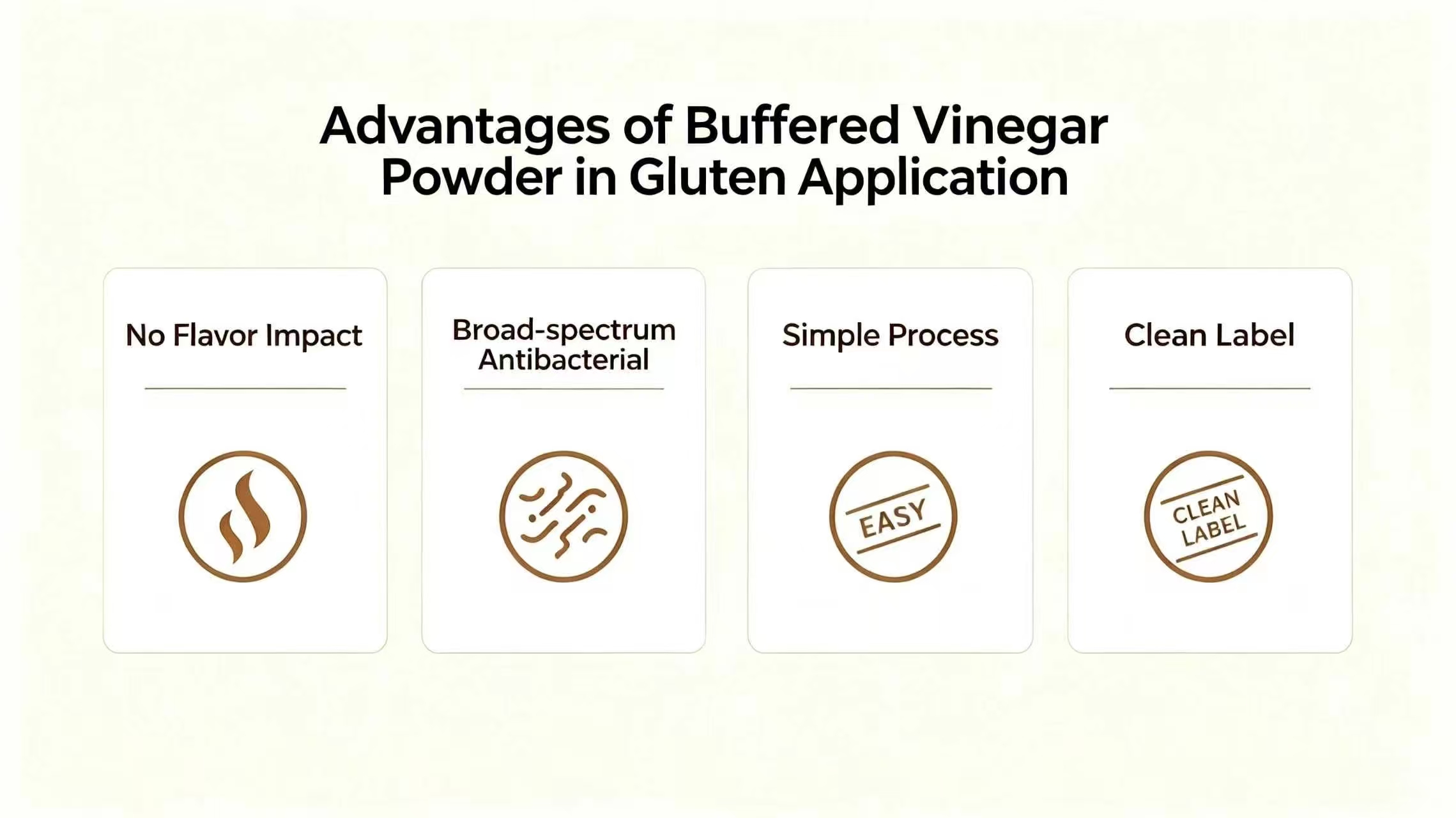
1. Broad antimicrobial spectrum: Effectively inhibits multiple common spoilage microorganisms to cause souring, mold growth, and gas production.
2. Strong production compatibility: Easy to incorporate into existing manufacturing processes without major adjustments.
3. Label-friendly attributes: Derived from fermentation, suitable for clean-label product development.
Industry Trends in Gluten Preservation
Consumer demand for clean-label ingredients continues to rise, with increasing attention on ingredient transparency. Gluten manufacturers are gradually seeking alternatives to conventional chemical preservatives. Natural antimicrobial ingredients, thanks to their favorable sourcing profiles, are becoming key research directions for product innovation. To achieve a balance between shelf stability, eating experience, and label compliance, the industry needs ongoing exploration and implementation of multifunctional preservation technologies. Building customized preservation systems based on natural ingredients will also become a crucial long-term strategy for sustainable development.
Free
sample
