A Complete Guide to Buffered Vinegar Powder in Baking
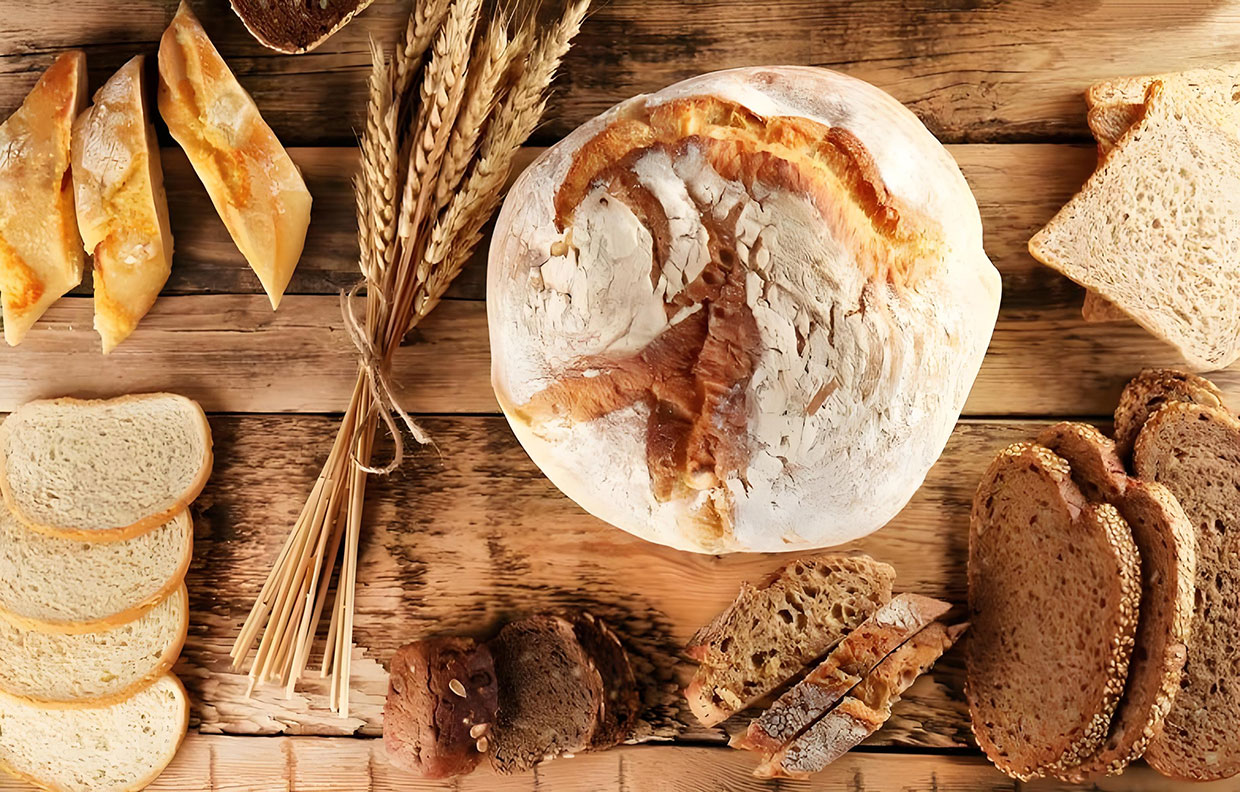
The baking industry is rapidly embracing clean labels, and buffered vinegar powder has emerged as a mature alternative to sodium dehydroacetate. This article covers its practical use across breads, cakes, and other baked goods. 1. Bread / Toast – Mold Prevention Without Compromising Structure Bread and toast are the primary applications for buffered vinegar powder in baking. Dosage (based on flour weight): 0.15% – 0.5%. Use the lower end for short‑shelf‑life products (3–7 days) and the higher end for long‑shelf‑life retail items. Whole‑grain and multigrain breads can tolerate slightly more, which also helps mask the bitterness of bran and creates a milder mouthfeel. Incorporation: Dry‑mix with flour, sugar, salt, yeast, and other dry ingredients during dough preparation for even distribution. —————————————————————————————————————————————————————————————————————————————————————————— 2. Frozen Dough / Par‑baked Bread – Solving Thaw‑Induced Mold This is the fastest‑growing application. Frozen dough and par‑baked products are particularly prone to mold and souring during repeated thawing and ambient holding in retail settings. Buffered vinegar powder not only inhibits mold but also protects gluten, reduces freeze‑thaw damage, and does not affect proofing or baking performance. Many chain bakeries have already adopted this solution for their frozen dough lines. Dosage: Follow bread guidelines, adjusting based on actual...
View More