Solutions

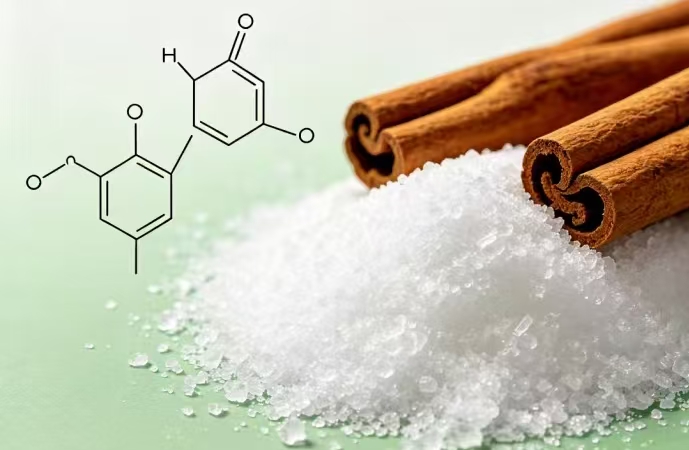
Potassium Cinnamate Applications: Exploring New Possibilities in Food Preservation

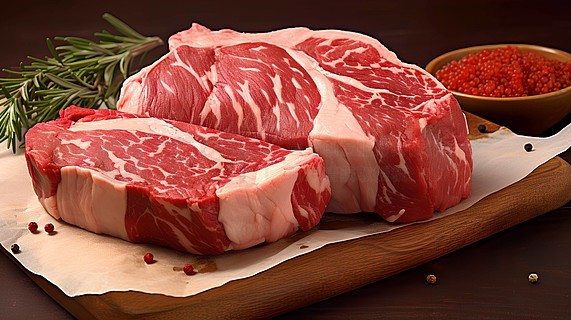
—Where Can Potassium Cinnamate Be Used? Food manufacturers face different preservation challenges depending on the product. Bakery products may be affected by mold. Meat products require control of microbial growth throughout processing and storage. Sauces and pickled foods need stable acidity and microbial control, while liquid products require ingredients with good water compatibility. This is where Potassium Cinnamate can become an interesting ingredient for formulation development. With its combination of antimicrobial functionality, water solubility and thermal stability, Potassium Cinnamate can be evaluated across multiple food categories. 1. Meat Products Processed meat products require careful management of microbial risks throughout production, distribution and storage. Potassium Cinnamate can be evaluated in applications including: Cooked meat products Processed meat Sausages Meat fillings Ready-to-eat meat products It can be incorporated into a broader preservation strategy together with appropriate processing, packaging and storage controls. For meat applications, the final formulation should be validated according to the product’s pH, water activity, processing method and target microorganisms. 2. Sauces and Condiments Sauces and condiments are typically water-based systems where ingredient solubility is an important consideration. Potassium Cinnamate’s water compatibility makes it suitable for evaluation in: Dipping sauces Seasoning sauces Condiments Compound sauces In these systems, Potassium Cinnamate...

View More

Buffered Vinegar Powder – Go-to Natural Preservative for Prepared Meats, Frozen Fillings, and Braised Meats

Core Logic of Buffered Vinegar Powder in Meat Preservation   1. Industry Challenges Under the clean‑label trend, chemical preservatives (e.g., sodium benzoate, potassium sorbate) are increasingly restricted or banned, and consumers reject them. Most natural alternatives either lack sufficient antimicrobial power for long shelf life and cold‑chain fluctuations, or they significantly alter the meat’s original flavor.                         2. Unique Advantages of Buffered Vinegar Powder Unlike ordinary vinegar powder, buffered vinegar powder has a mild fermented note, no sharp acidity, and low volatility. It provides long‑lasting antimicrobial action while only removing undesirable odors – without masking meat aroma or leaving a sour aftertaste. Three core functions: – Targeted antimicrobial effect– Effectively inhibits Listeria, Salmonella, spoilage yeasts, lactic acid bacteria, and Bacillus. Its pH‑buffering mechanism ensures stable performance even under cold‑chain variations and repeated freeze‑thaw cycles. – Color and flavor protection – Stabilizes myoglobin to prevent oxidation and discoloration; suppresses bloodiness, gamey notes, stale cold‑storage odors, and rancidity; cuts through greasiness to enhance the meat’s natural savory taste. – Natural compliance – Not a chemical preservative; the ingredient list simply shows “brewed vinegar / vinegar powder”, meeting clean‑label standards for retail,...

View More

New Natural Clean Label Choice | Buffered Vinegar Powder Meat Preservation Solution

As the pace of modern life accelerates, convenience foods (such as ready-to-eat fast food and salad dressings) and meat products (including low-temperature processed sausages, ham, and ready-to-eat steaks) have become mainstream on dining tables due to their convenience and delicious taste. However, these types of foods are rich in proteins and lipids, making them highly susceptible to microbial contamination or oxidation rancidity. This can lead to mold growth, sliminess, discoloration, and off-odors. Not only does this significantly shorten their shelf life, but it also poses potential food safety hazards. To this end, Weichuang has launched ‘Buffered Vinegar Powder’—a natural solid preservative made by deep fermentation with food-grade acetic acid bacteria using corn sugar as the culture medium. It is rich in various active ingredients such as acetic acid, lactic acid, and succinic acid, serving as an ideal solution to replace traditional chemical preservatives and help products achieve a ‘clean label’. 💡Three Major Preservation Mechanisms Broad-Spectrum Bacteriostasis: Disrupts the permeability of microbial cell membranes, effectively inhibiting the growth and reproduction of spoilage bacteria and pathogenic bacteria such as molds, yeasts, Pseudomonas, and Listeria. Synergistic Moisture Control: As a solid powder, it helps improve the moisture distribution in the system, synergistically reducing...

View More

Free
sample

Home Tel Mail Inquiry