Solutions

Buffered Vinegar Powder: A Broad‑Spectrum Antimicrobial Solution for Complex Food Systems

  Food spoilage is, at its core, the result of rapid microbial growth under favourable conditions. Different food matrices face different threats – some are prone to acid spoilage, others to mould growth, and still others to swelling packages or flavour deterioration. One of the key advantages of buffered vinegar powder is its relatively broad‑spectrum antimicrobial activity, which covers both bacteria and fungi – the main culprits behind spoilage.   Broad‑Spectrum Coverage: Effective Against Five Major Microbial Categories Laboratory inhibition tests show that buffered vinegar powder exhibits good inhibitory effects against the following five common food‑related microorganisms: Microbial Category Representative Strain Characteristics & Risks Gram‑positive bacteria Bacillus stearothermophilus Heat‑resistant; often causes acid spoilage Gram‑negative bacteria Escherichia coli Common indicator and pathogenic bacterium in food Foodborne pathogens Listeria monocytogenes Can grow at low temperatures; high‑risk pathogen Fungi (moulds) Aspergillus Mould contamination is a major cause of spoilage Fungi (yeasts) Yeasts Cause gas production, package swelling, and off‑flavours   1. Inhibitory effect of buffered vinegar powder on Bacillus stearothermophilus. Bacillus stearothermophilus* (a Gram‑positive bacterium that commonly causes acid spoilage in food). Cultured at 55 °C ± 1 °C (thermophilic) with shaking at 180 rpm for 10 hours, with an inoculum size of 10³ CFU. Figure 1: Inhibition rates against Bacillus stearothermophilus without...

View More

A Complete Guide to Buffered Vinegar Powder in Baking

The baking industry is rapidly embracing clean labels, and buffered vinegar powder has emerged as a mature alternative to sodium dehydroacetate. This article covers its practical use across breads, cakes, and other baked goods. 1. Bread / Toast – Mold Prevention Without Compromising Structure Bread and toast are the primary applications for buffered vinegar powder in baking. Dosage (based on flour weight): 0.15% – 0.5%. Use the lower end for short‑shelf‑life products (3–7 days) and the higher end for long‑shelf‑life retail items. Whole‑grain and multigrain breads can tolerate slightly more, which also helps mask the bitterness of bran and creates a milder mouthfeel. Incorporation: Dry‑mix with flour, sugar, salt, yeast, and other dry ingredients during dough preparation for even distribution. —————————————————————————————————————————————————————————————————————————————————————————— 2. Frozen Dough / Par‑baked Bread – Solving Thaw‑Induced Mold This is the fastest‑growing application. Frozen dough and par‑baked products are particularly prone to mold and souring during repeated thawing and ambient holding in retail settings. Buffered vinegar powder not only inhibits mold but also protects gluten, reduces freeze‑thaw damage, and does not affect proofing or baking performance. Many chain bakeries have already adopted this solution for their frozen dough lines. Dosage: Follow bread guidelines, adjusting based on actual...

View More

Buffered Vinegar Powder – Go-to Natural Preservative for Prepared Meats, Frozen Fillings, and Braised Meats

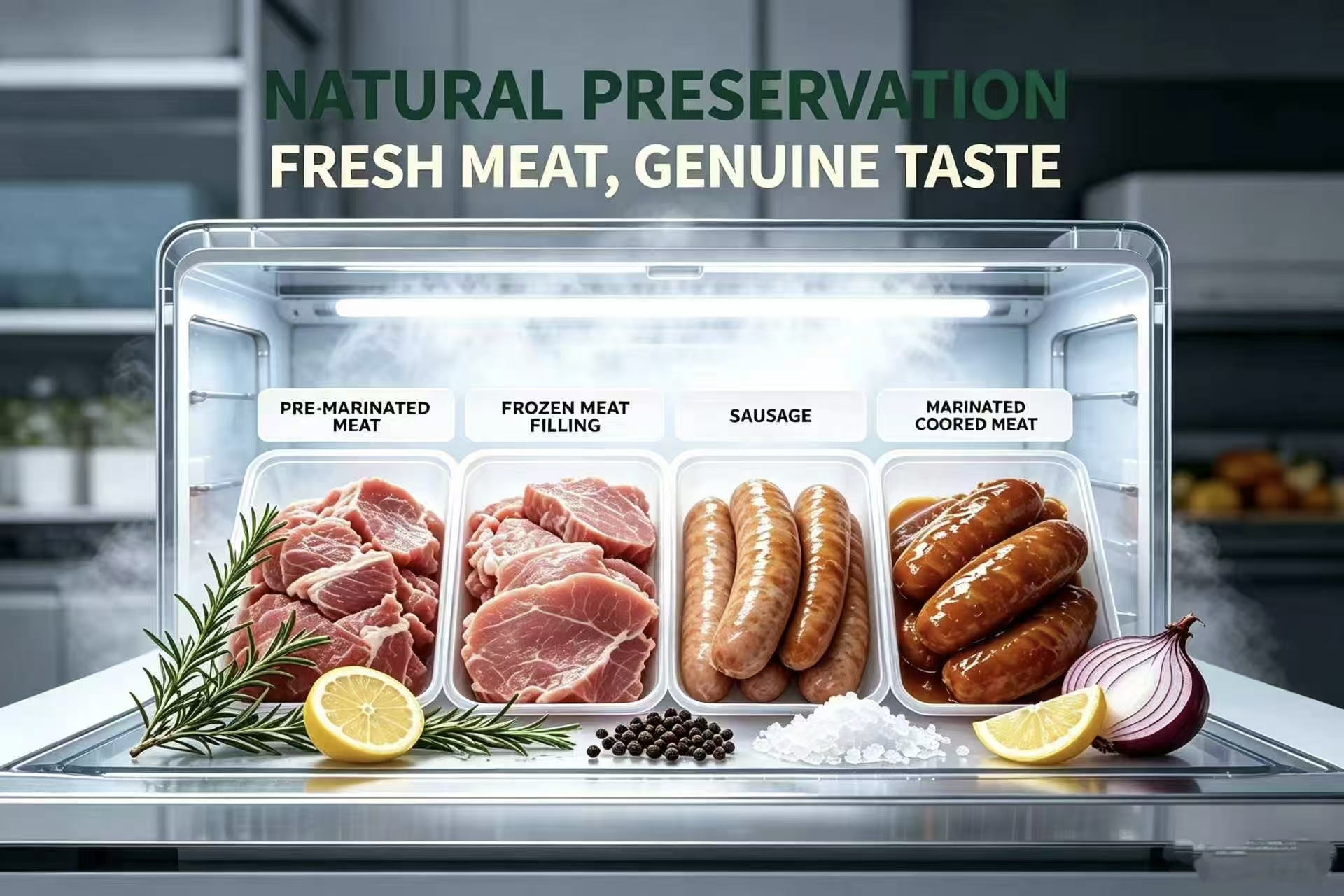
Core Logic of Buffered Vinegar Powder in Meat Preservation   1. Industry Challenges Under the clean‑label trend, chemical preservatives (e.g., sodium benzoate, potassium sorbate) are increasingly restricted or banned, and consumers reject them. Most natural alternatives either lack sufficient antimicrobial power for long shelf life and cold‑chain fluctuations, or they significantly alter the meat’s original flavor.                         2. Unique Advantages of Buffered Vinegar Powder Unlike ordinary vinegar powder, buffered vinegar powder has a mild fermented note, no sharp acidity, and low volatility. It provides long‑lasting antimicrobial action while only removing undesirable odors – without masking meat aroma or leaving a sour aftertaste. Three core functions: – Targeted antimicrobial effect– Effectively inhibits Listeria, Salmonella, spoilage yeasts, lactic acid bacteria, and Bacillus. Its pH‑buffering mechanism ensures stable performance even under cold‑chain variations and repeated freeze‑thaw cycles. – Color and flavor protection – Stabilizes myoglobin to prevent oxidation and discoloration; suppresses bloodiness, gamey notes, stale cold‑storage odors, and rancidity; cuts through greasiness to enhance the meat’s natural savory taste. – Natural compliance – Not a chemical preservative; the ingredient list simply shows “brewed vinegar / vinegar powder”, meeting clean‑label standards for retail,...

View More

Buffered Vinegar Powder | Acetate System | Bacterial Control | Clean Label

Pre-Notes on Key Terms: 1. Acetic acid‑acetate conjugate fermentation system (core term) A buffered balance system made of acetic acid (the molecular antibacterial ingredient) and acetate buffering components. It slowly releases undissociated acetic acid molecules and keeps the product pH stable. Unlike regular vinegar that discharges strong acid all at once, it eliminates harsh sour odor and sharp pH swings. 2.Undissociated acetic acid molecules (active antibacterial ingredient) Fat-soluble acetic acid molecules that stay un-ionized. They can penetrate microbial cell membranes and are the core form of organic acids for antibacterial effects. Once ionized into acetate ions, the antibacterial power almost disappears. 3.Clean Label Compliant with the General Requirements for Clean Label Foods (T/CAPS 064‑2025). It adopts natural fermented raw materials instead of chemically synthesized preservatives, with short, easy-to-read ingredient lists and no artificial synthetic additives.   The global food industry is rapidly shifting to clean label standards. Traditional chemical preservatives like sodium benzoate, potassium sorbate and sodium diacetate are no longer suitable for brands pursuing natural positioning. Conventional vinegar powder on the market relies on high-concentration acetic acid for crude antibacterial performance, with four obvious drawbacks: overly fast acid release, sharp pungent sour taste, unstable finished product pH, and ruined...

View More

New Natural Clean Label Choice | Buffered Vinegar Powder Meat Preservation Solution

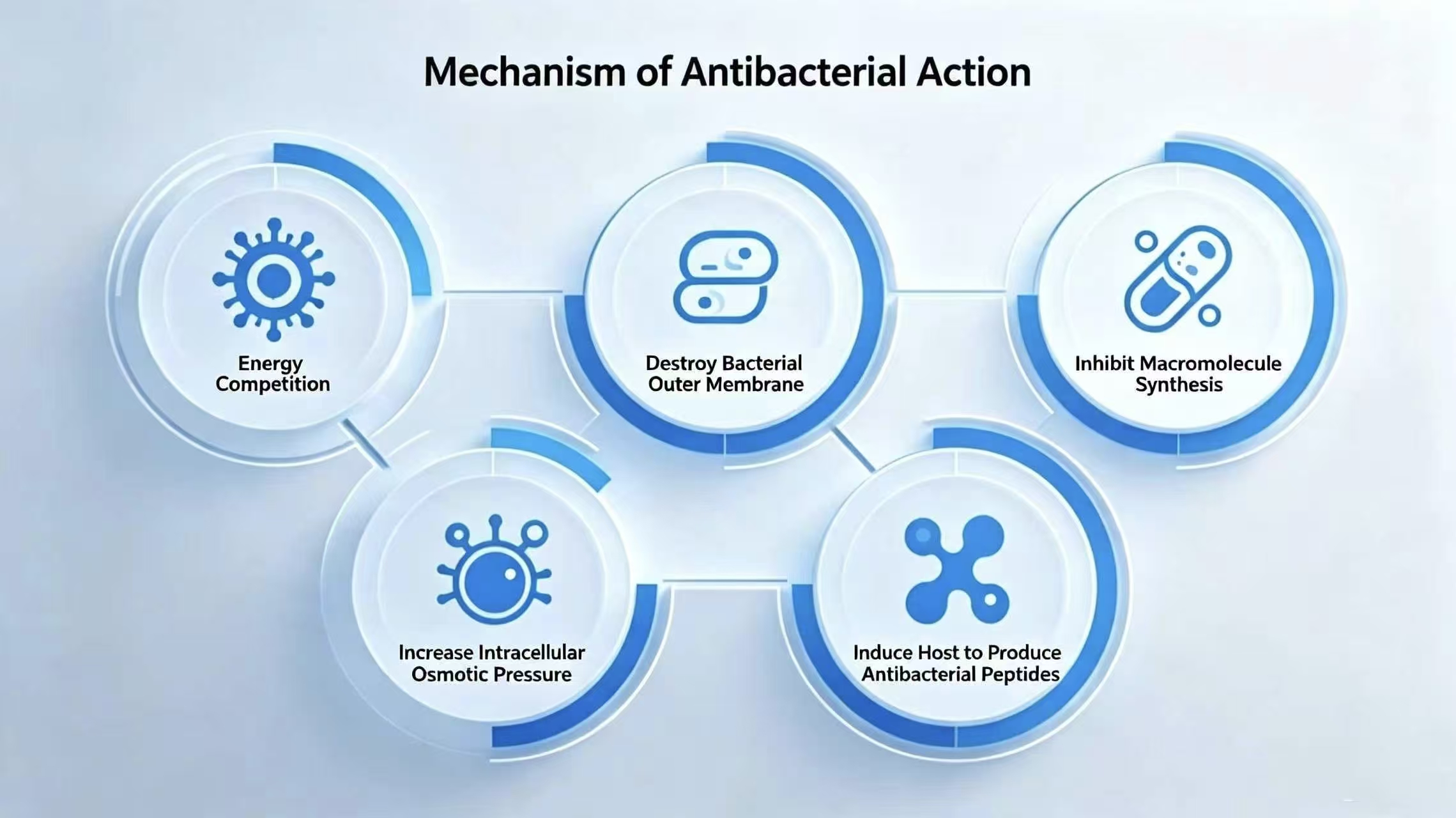
As the pace of modern life accelerates, convenience foods (such as ready-to-eat fast food and salad dressings) and meat products (including low-temperature processed sausages, ham, and ready-to-eat steaks) have become mainstream on dining tables due to their convenience and delicious taste. However, these types of foods are rich in proteins and lipids, making them highly susceptible to microbial contamination or oxidation rancidity. This can lead to mold growth, sliminess, discoloration, and off-odors. Not only does this significantly shorten their shelf life, but it also poses potential food safety hazards. To this end, Weichuang has launched ‘Buffered Vinegar Powder’—a natural solid preservative made by deep fermentation with food-grade acetic acid bacteria using corn sugar as the culture medium. It is rich in various active ingredients such as acetic acid, lactic acid, and succinic acid, serving as an ideal solution to replace traditional chemical preservatives and help products achieve a ‘clean label’. 💡Three Major Preservation Mechanisms Broad-Spectrum Bacteriostasis: Disrupts the permeability of microbial cell membranes, effectively inhibiting the growth and reproduction of spoilage bacteria and pathogenic bacteria such as molds, yeasts, Pseudomonas, and Listeria. Synergistic Moisture Control: As a solid powder, it helps improve the moisture distribution in the system, synergistically reducing...

View More

Sauce Cost Saving | High Acidity White Vinegar Application Cases

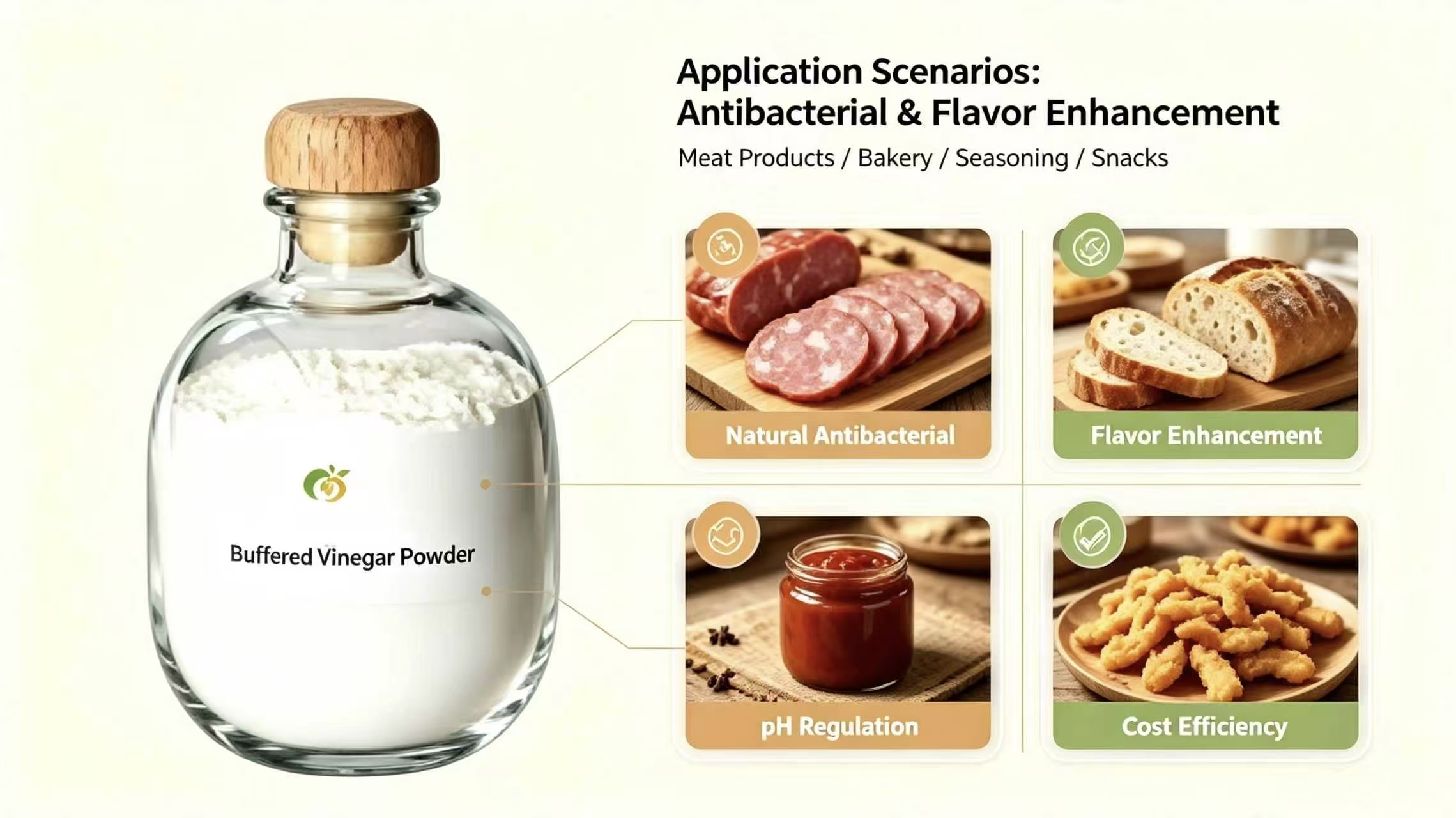
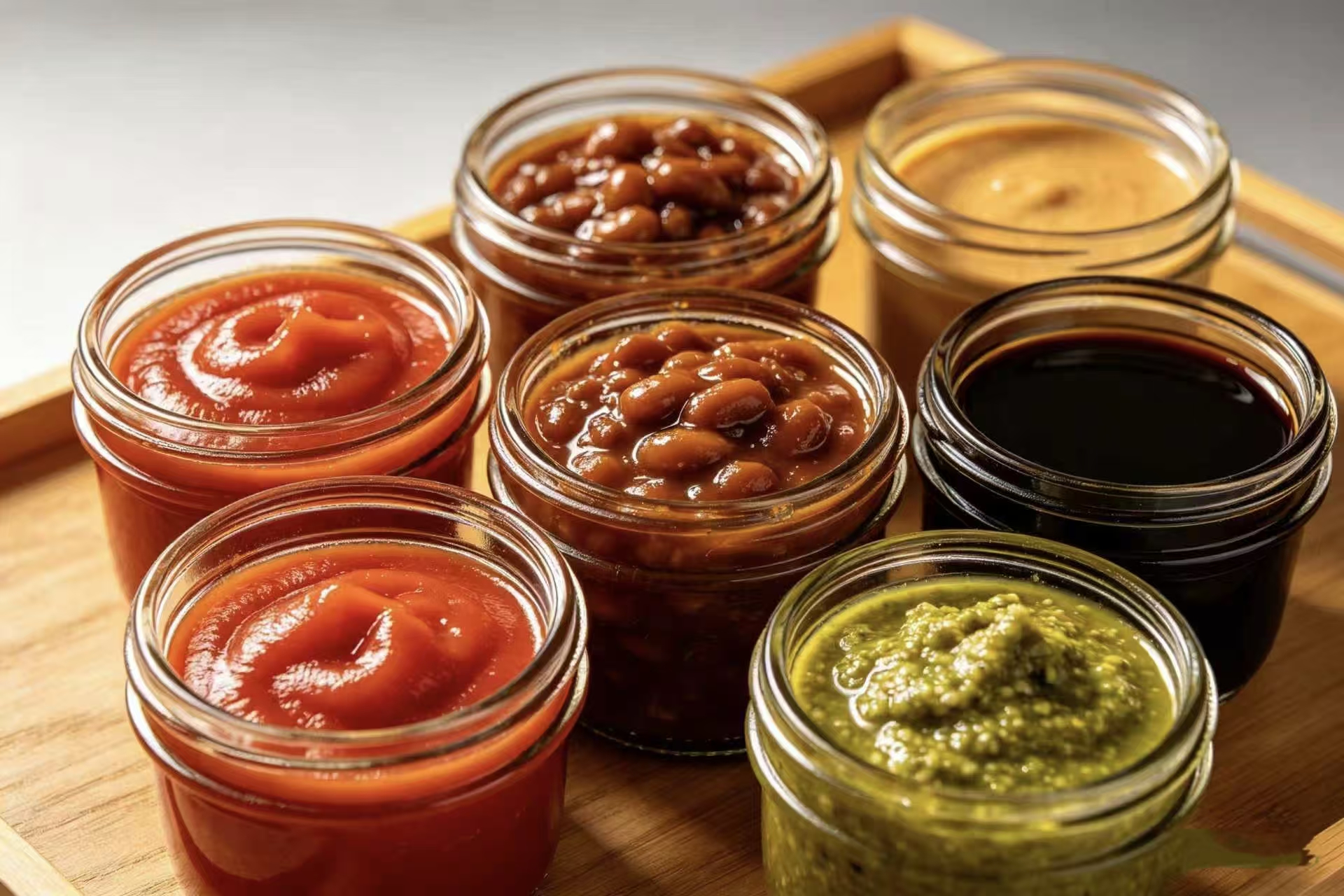
    🍅 High Acidity Vinegar (20°) for Ketchup Applications   ✔ Widely used in large-scale food manufacturing 🔬 1. Balanced & Natural Flavor • Adjusts overall acidity to balance sweetness and tomato notes • Reduces harsh or green off-notes from tomato paste • Delivers a cleaner, more rounded taste profile 🛡️ 2. Shelf Life Protection • Lowers pH to create a microbiologically safer environment • Helps inhibit spoilage organisms • Supports longer shelf life with fewer preservatives ⚙️ 3. Consistent Texture & Stability • Contributes to a more uniform, stable sauce system • Helps reduce phase separation during storage • Improves overall product consistency 🌱 4. Clean & Future-Ready Formulation • Naturally fermented from grains • Enables simpler ingredient lists • Supports “clean label” and health-oriented trends 🚀  “Optimize Flavor, Improve Stability, Simplify Your Formula.” 🔖 #KetchupProduction#CleanLabel#FoodIngredients     🎯 Core Value of High-Acid White Vinegar (20°) in Salad Dressings/Mayonnaise   ✔ Verified by Industry Benchmarks Adopted by leading food corporations and top food enterprises, ensuring proven reliability. 🥗 1. Enhanced Taste Experience • Smoother and more refined sauce texture with a refreshing, non-greasy mouthfeel • Milder yet richer acidity that elevates overall flavor complexity • Enhances natural flavors...

View More

New Trends in Pickle Preservation: Fermentation, Vinegar Powder, and Plant-based Preservatives

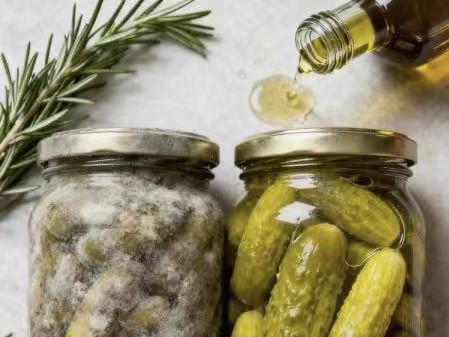
Pickled vegetables are more than just condiments—they are a reflection of culinary tradition and a practical solution for food storage. While modern products often rely on chemical preservatives, natural pickles depend on fermentation and careful handling, making their quality closely tied to environmental conditions.   FACTORS AFFECTING THE SHELF LIFE OF PICKLES Without chemical preservatives, pickles depend on natural ingredients and processes to stay fresh. Here are some crucial factors that influence their shelf life. Today, natural preservatives derived from plants and fermentation, such as fermented vinegar powder, potassium cinnamate, and spice extracts, are increasingly used to enhance pickle safety and freshness without compromising the “clean label” demand. 1、Natural Marinade Ingreduents • Pickles submerged in oil or vinegar last longer due to their antibacterial properties. • Modern natural preservatives can work together with oil and vinegar, extending shelf life further while keeping flavors authentic. 2、Fermentation Process • Fermented pickles can last longer due to beneficial bacteria that inhibit harmful microbial growth. • The longer a pickle is allowed to ferment, the more stable it becomes.。 • Using fermentation-derived preservatives (like vinegar powder) helps stabilize pickles naturally, aligning with traditional methods.   TIPS TO EXTEND THE SHELF LIFE OF PICKLES •...

View More
‹‹‹1234›››

Free
sample

Home Tel Mail Inquiry