Solutions

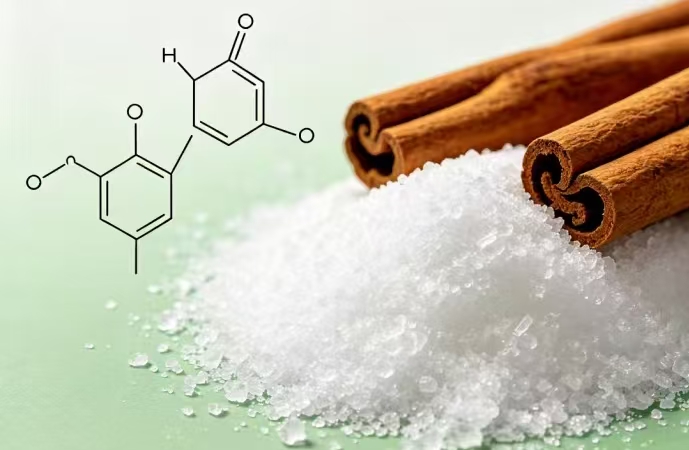
Potassium Cinnamate Applications: Exploring New Possibilities in Food Preservation

—Where Can Potassium Cinnamate Be Used? Food manufacturers face different preservation challenges depending on the product. Bakery products may be affected by mold. Meat products require control of microbial growth throughout processing and storage. Sauces and pickled foods need stable acidity and microbial control, while liquid products require ingredients with good water compatibility. This is where Potassium Cinnamate can become an interesting ingredient for formulation development. With its combination of antimicrobial functionality, water solubility and thermal stability, Potassium Cinnamate can be evaluated across multiple food categories. 1. Meat Products Processed meat products require careful management of microbial risks throughout production, distribution and storage. Potassium Cinnamate can be evaluated in applications including: Cooked meat products Processed meat Sausages Meat fillings Ready-to-eat meat products It can be incorporated into a broader preservation strategy together with appropriate processing, packaging and storage controls. For meat applications, the final formulation should be validated according to the product’s pH, water activity, processing method and target microorganisms. 2. Sauces and Condiments Sauces and condiments are typically water-based systems where ingredient solubility is an important consideration. Potassium Cinnamate’s water compatibility makes it suitable for evaluation in: Dipping sauces Seasoning sauces Condiments Compound sauces In these systems, Potassium Cinnamate...

View More

New Trends in Pickle Preservation: Fermentation, Vinegar Powder, and Plant-based Preservatives

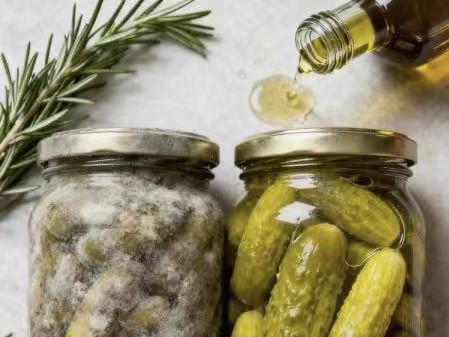
Pickled vegetables are more than just condiments—they are a reflection of culinary tradition and a practical solution for food storage. While modern products often rely on chemical preservatives, natural pickles depend on fermentation and careful handling, making their quality closely tied to environmental conditions.   FACTORS AFFECTING THE SHELF LIFE OF PICKLES Without chemical preservatives, pickles depend on natural ingredients and processes to stay fresh. Here are some crucial factors that influence their shelf life. Today, natural preservatives derived from plants and fermentation, such as fermented vinegar powder, potassium cinnamate, and spice extracts, are increasingly used to enhance pickle safety and freshness without compromising the “clean label” demand. 1、Natural Marinade Ingreduents • Pickles submerged in oil or vinegar last longer due to their antibacterial properties. • Modern natural preservatives can work together with oil and vinegar, extending shelf life further while keeping flavors authentic. 2、Fermentation Process • Fermented pickles can last longer due to beneficial bacteria that inhibit harmful microbial growth. • The longer a pickle is allowed to ferment, the more stable it becomes.。 • Using fermentation-derived preservatives (like vinegar powder) helps stabilize pickles naturally, aligning with traditional methods.   TIPS TO EXTEND THE SHELF LIFE OF PICKLES •...

View More

Free
sample

Home Tel Mail Inquiry